How Gratitude Starts in Preschool (And Why Noticing Comes First)
You can have a preschooler surrounded by kind, helpful people all day and still never hear a single “thank you.” That does not mean the child is rude or ungrateful. It usually means they simply did not notice what was happening.
For young children, gratitude starts with seeing the good around them. They need help noticing small acts of care, tiny moments of kindness, and everyday things that make life easier or happier. Once they see it, then the feeling of thankfulness can grow.
This post shares simple, real-life ways to help preschoolers notice good things so gratitude becomes a natural part of their day.
Why Preschoolers Struggle with Saying Thank You
Preschoolers live very much in the moment. Their focus is often on what they want, what they are doing, or what is right in front of them. So while adults may be helping, sharing, or caring all day, children might not register those actions at all.
From an adult's view, that can look like a lack of gratitude. From a child’s view, nothing special happened.
It’s Not Ungratefulness, It’s a Lack of Noticing
At this age, kids often do not see the small helpful things others do. They grab the snack, but do not think about who prepared it. They accept a toy but do not notice who shared it.
For preschoolers, awareness is the starting point. Before they can feel thankful, they have to see there was something to be thankful for.
The Role of Developing Social Understanding
Preschoolers are just starting to understand that other people have their own feelings, needs, and plans. That social awareness takes time.
They are learning to:
- Recognize help, like when someone ties their shoes.
- Notice when a friend shares a toy or takes turns.
Gratitude grows on top of this basic understanding of “you did something kind for me.”
Gratitude in Preschool: Awareness Over Manners
At this age, gratitude is not really about “good manners.” A child can be trained to say “thank you” on cue, but that does not mean they feel grateful.
Shifting from Politeness to Real Insight
Real gratitude sounds more like a thought in their head: “Oh, you helped me.” The goal is not just to get the words out of their mouths, but to help them see that someone chose to do something kind for them.
Building a Foundation for Lifelong Thankfulness
When we slow kids down and spotlight those caring moments, we build a deeper habit. Over time, they begin to notice kindness on their own.
Helping kids see the good sets the stage. Then the polite words “thank you” can come from a real feeling, not just from memory.
Easy Ways to Help Preschoolers Notice the Good Around Them
You do not need a big lesson or a holiday theme to start. Small, steady moments in everyday life work best.
1: Model Gratitude Out Loud
One of the simplest tools is to “say what you see.” You describe the kindness or help right in front of the child.
You might say:
- “Wow, your friend picked up your crayon for you. That was so nice.”
- “The lunch you made looks so yummy. I’m thankful you helped pack it.”
When children hear adults pointing out good things, they start to notice them too.
2: Play a “Thankful Hunt” Game
Turn noticing into a playful challenge. At home or in the classroom, invite kids to go on a “thankful hunt” and look for what makes life better.
You can ask:
- What makes our classroom cozy?
- What made you smile today?
- Can you spot people helping, sharing, or caring, either in pictures or as you walk around?
This keeps gratitude fun and concrete instead of abstract.
3: Bring It to Life with Books and Pictures
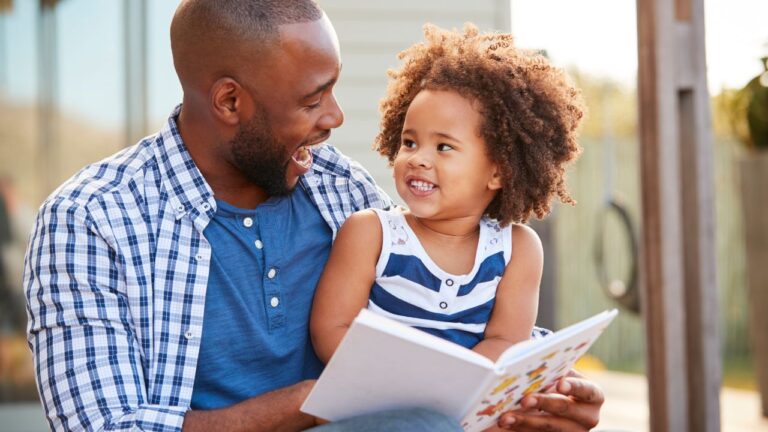
Pictures and stories are powerful for young children. During story time, pause and help them look for kindness.
Try prompts like:
- “Who’s helping in this picture?”
- “How do you think she feels when he gave her that?”
Visuals help kids connect actions to emotions one page at a time.
Taking Gratitude Further with Hands-On Tools
Once kids start to notice good things, simple tools can help them reflect on it more often.
Why Visuals and Activities Work for Young Kids
Young children learn best when they can see, touch, and do. Books, pictures, and journals give them something visual to anchor the idea of gratitude.
When they draw someone helping or talk about a kind moment, they link behavior, feelings, and words in a concrete way.
Weaving Gratitude into Everyday Preschool Routines
Gratitude does not need a special holiday or unit. It fits right into what you already do.
During Snack or Lunchtime
Mealtimes are perfect for a quick gratitude check. Ask, “Who made this for you?” or “Who helped get this ready?” to gently remind kids that food comes from caring hands.
At Cleanup Time
When everyone is putting toys away, you might say, “Oh, look how nice it feels when everyone helps.” This helps kids notice that shared effort makes the room feel calm and cared for.
During Bedtime or Afternoon Circle Time
Moments of quiet are great for reflection. Ask, “What was something good that happened today?” Then listen and accept any answer, big or small.
Over time, this shifts their focus from “What do I get?” to “What’s been given to me?”
The Bigger Picture: From Noticing to Growing Gratitude
When kids start to see good things in people, moments, and small daily details, something important happens. They begin to understand that they are cared for.
Why Noticing Goodness Matters
Noticing kindness changes how children view their world. Instead of seeing only what they want next, they begin to see how others support them, share with them, and show love.
Before Expecting “Thank You,” Build the Why
Before we insist on perfect manners, we can build understanding. When children see why something is worth thanking, “thank you” turns into a natural response, not just a rule.
What’s Next in Teaching Gratitude
Once kids are better at noticing good things, the next step is learning how to express gratitude in simple ways. That might be words, drawings, hugs, or small acts of kindness.
Stay tuned for practical expression ideas! There are so many fun ways to help preschoolers show thankfulness in daily life.
Small shifts in how kids notice the good can grow into lifelong thankfulness.