How to Teach Responsibility in Preschool Without Complicated Lessons
Teaching responsibility can feel like something that requires a full lesson.
It can seem like you need a plan, materials, and dedicated time to teach it the right way. But responsibility becomes much easier to teach when you simplify how you think about it.
Instead of asking, “How do I teach responsibility?” it helps to ask, “What does responsibility look like in this situation?”
When that is clear, the lesson becomes easier to plan and easier for children to understand.
Start with Simple Categories
At the preschool level, responsibility does not need to be broad or abstract. It can be broken into a few clear ideas:
- Taking care of things
- Finishing what was started
- Noticing when something needs attention
You do not need a separate, detailed lesson for each one. You only need a situation that allows children to focus on one idea at a time.
This keeps both the teaching and the learning manageable.
Choose Situations Children Can See
One of the simplest ways to teach responsibility is to start with something concrete.
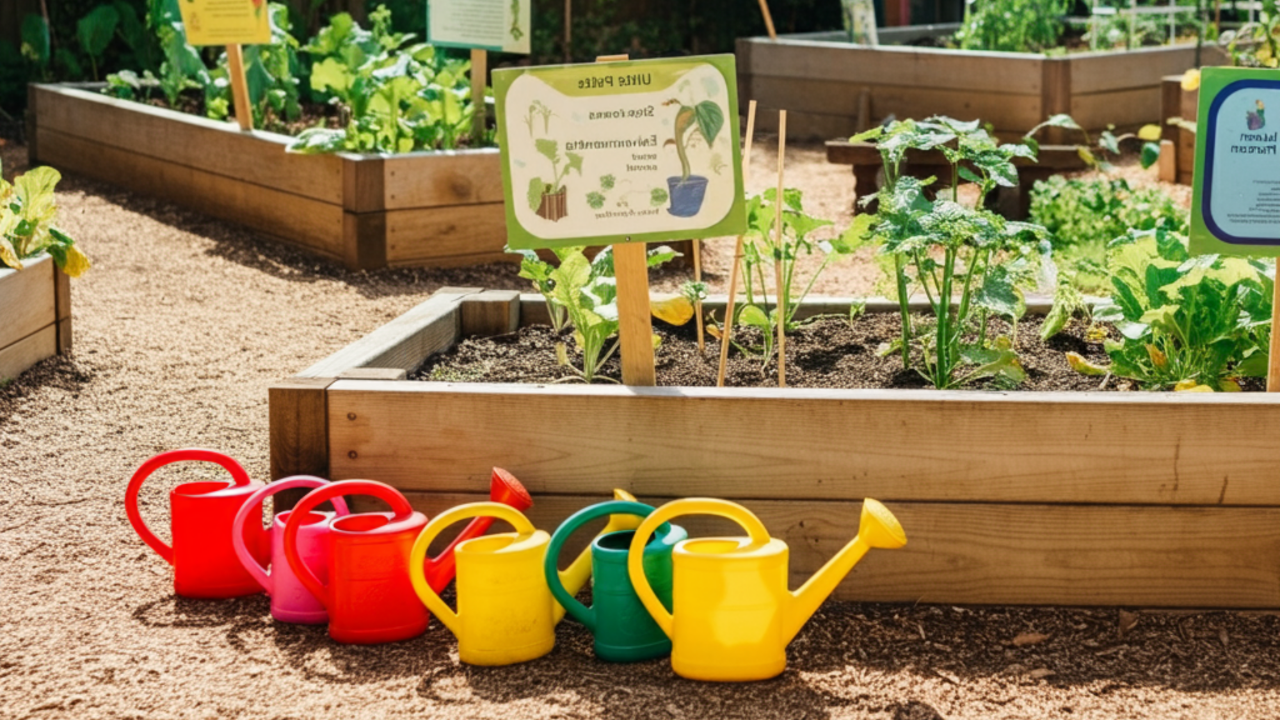
Living things are a good example because they clearly need care. A plant needs water. An animal needs food and gentle hands.
These are things children can observe directly.
Instead of telling children to be responsible, you are showing them that some things depend on people. That connection makes the idea easier to understand.
Keep the Lesson Short and Focused
You do not need a long or detailed lesson.
Start with a short conversation using clear, simple questions:
- Which of these needs care?
- What does it need?
- What happens if no one takes care of it?
Then give children time to observe.
If you are using a plant, have them look closely and describe what they notice. They might talk about the color, how it looks, or whether it seems dry or healthy.
This step matters because responsibility often begins with noticing.
Add One Simple Extension
After observing, you can simply extend the lesson.
Children might draw what they saw and what they think the living thing needs. Some may draw water, sunlight, or themselves, helping.
The goal is not to get a correct answer. The goal is to help them think about what care looks like.
Turn It Into a Routine
To make the lesson stick, connect it to something children can do regularly.
A simple checklist can help:
- Give water
- Be gentle
- Check on it
Place it near the plant or wherever the care is happening.
This turns responsibility into something children can return to, instead of something they only hear about.
Keep It Manageable
You do not need to cover everything at once.
Choose one situation, focus on one idea, and keep the steps simple:
- Look
- Notice
- Respond
That is enough for a meaningful lesson.
You can return to the same idea over time and build on it gradually.
A Simpler Way to Teach Responsibility
Teaching responsibility does not have to be complicated.
When you focus on clear situations and give children time to notice and respond, the learning becomes more natural.
Start small, keep it clear, and build from there.