Preschool Responsibility Activities That Work
One of the challenges with teaching responsibility at this age is that children do not always connect what is happening around them to what they are supposed to do.
You might say, “Clean up,” and they follow the direction in the moment. But the next time, it can feel like you are starting over again.
This is not unusual. It is part of how young children learn.
What Children Are Missing
Responsibility often happens quickly in daily life.
A toy is left out. Something spills. An activity ends.
An adult usually steps in right away to fix or guide the situation.
Children see the result, but they do not always see the thinking behind it. They miss the decision-making process that leads to taking responsibility.
Why Games and Activities Help
Games and simple activities slow things down.
Instead of everything happening quickly, a situation is presented, and children have time to think about it.
They can look at what is happening, consider it, and decide what should come next.
When children get repeated chances to think through these situations, they begin to recognize them during real moments in their day.
Keeping Activities Effective
For this to work, the activity needs to hold their attention. If it does not, they will lose interest, and the learning will not stick.
At the same time, the goal is not just to keep them busy. The goal is to make the thinking visible.
This can be done by:
- Using situations that children already recognize
- Giving them a chance to respond
- Keeping the activity simple enough to follow
It does not need to be complicated.
You can describe a situation, pause, and ask, “What should happen next?”
That small step gives children practice thinking about responsibility instead of only reacting to directions.
A Movement-Based Activity
One way to do this is through movement.
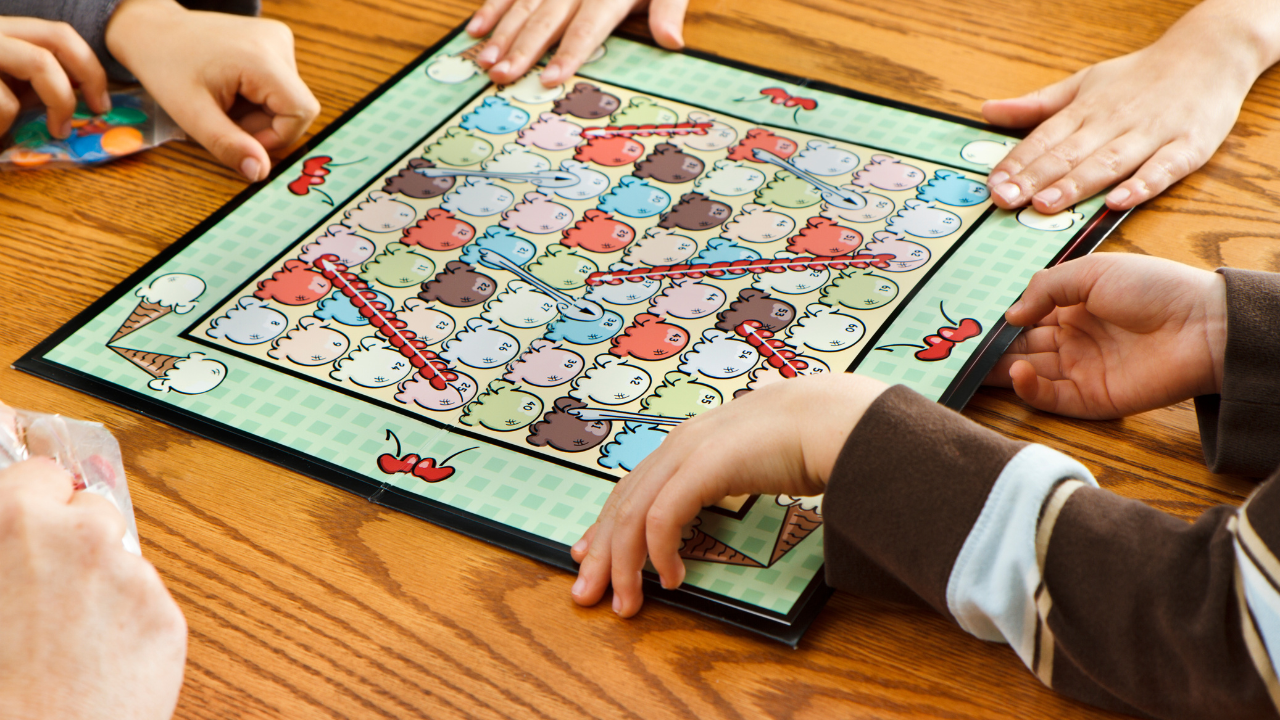
You can create a simple path on the floor and have children move along it as part of a game (think: “life-sized game board”). As they land on different spaces, you describe familiar situations. For example, they might hear about something being left out or something not being finished.
Instead of being told what to do, they decide what should happen next or show what they would do.
Some spaces can focus on different parts of responsibility, such as:
- Taking care of something
- Fixing a problem
- Helping someone
Because children are moving and taking turns, the activity keeps their attention while also giving them repeated chances to think through real situations.
A Guessing Game About Responsibility
Another approach is to focus on what people are responsible for.
This could be an activity where the children are given clues about a person (like a community helper). The clues describe what that person takes care of. As they listen, they try to figure out who it is.
This shifts their thinking from simply naming a job to understanding what the person actually does.
Over time, children begin to see that different people are responsible for different things, and that those responsibilities help things work the way they should.
This can also connect naturally to classroom jobs, chores at home, or daily routines.
A Simple Way to Start Today
You do not need a full activity to begin.
Start with one situation that comes up often, such as something being left out or something not being finished.
Pause and ask, “What should happen next?”
Then give the child time to think and respond.
Even this small change helps children begin to notice responsibility in everyday moments.
Building Understanding Over Time
Responsibility is not something children learn from reminders alone.
It becomes clearer when they have time to think about what is happening and what should come next.
When you give them those opportunities, even in simple ways, you will start to see a difference in how they respond throughout the day.