How to Make Gratitude Part of Everyday Life for Preschoolers
When the crafts, songs, and thankful turkeys show up in November, gratitude is easy. Kids are surrounded by it. But once the glitter's gone (thank goodness 😆) and January hits, everyday routines take over, and gratitude often slips into the background.
This post shares simple ways to weave gratitude into daily life, at school or at home, so it feels natural, not like a special holiday activity.
Why Gratitude Fades After the Holidays
During the fall, gratitude has a theme, a bulletin board, and a playlist. After that, classrooms and homes go back to “normal,” and thankfulness quietly disappears.
The challenge is keeping gratitude alive when there are no themed projects or seasonal books to prompt it.
Building Gratitude Through Daily Routines
Preschoolers learn through repetition. The same songs, the same clean-up routine, the same circle time order help them feel safe and confident. Gratitude grows the same way.
You do not need long lessons or fancy crafts. You need small, repeated moments that invite kids to pause and notice something good.
The Power of Tiny Habits
Short, simple questions are powerful.
Try a morning check-in with questions like What is something that makes you happy? This sets a positive tone and trains children to look for good things early in the day.
Moments After Playtime
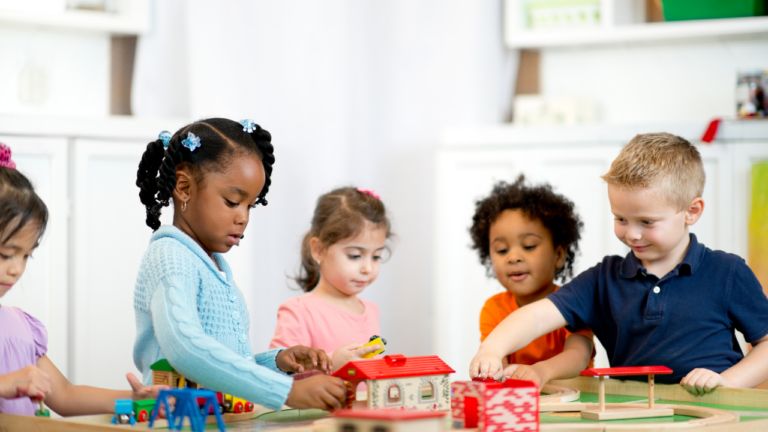
After play, ask, Who helped you today?
For example, a child might say, “Liam helped me build my tower.” That quick question helps them notice kindness instead of only the toys.
Closing or Bedtime Reflections
End the day with a calm moment and a question like What was one good thing that happened today?
You can ask this at your closing circle in the classroom or during a bedtime routine at home.
How These Habits Shape How Kids See the World
These questions take seconds, but they teach children to slow down and notice what went well. Over time, that shapes how they see their day.
It also builds a deeper connection between you and the child, because you are sharing real moments, not just rushing to the next task.
Modeling Gratitude for Young Learners
Children do not hold onto gratitude just because adults talk about it. They hold onto it because they see it.
Try saying things like:
- “I am so thankful you waited patiently while I was helping your friend.”
- “I appreciate how careful you were with that puzzle.”
Preschoolers notice your tone and your words. They start to copy what they hear and how you sound when you are grateful.
Showing It on Ordinary Days
Gratitude matters most on not-so-perfect days. When things are messy or hard, your choice to notice something good teaches kids that thankfulness is still possible.
Adults Learning Gratitude Too
This is not only for kids. On rough days, it takes effort to name something good, but it helps you as well.
Ask yourself, What are you grateful for today? Your answer, even a small one, supports the example you set for children.
Simple Visuals to Keep Gratitude Year-Round
Visual reminders help gratitude stick around after November.
A few ideas:
A Year-Round Gratitude Wall
Create a space on the wall that stays up all year round.
Kids can add:
- Drawings of things they are thankful for
- Dictated notes about people who helped them
- Little moments from around the classroom or school
You can place this near a center so children can add to it during center time.
Thankful Thursday
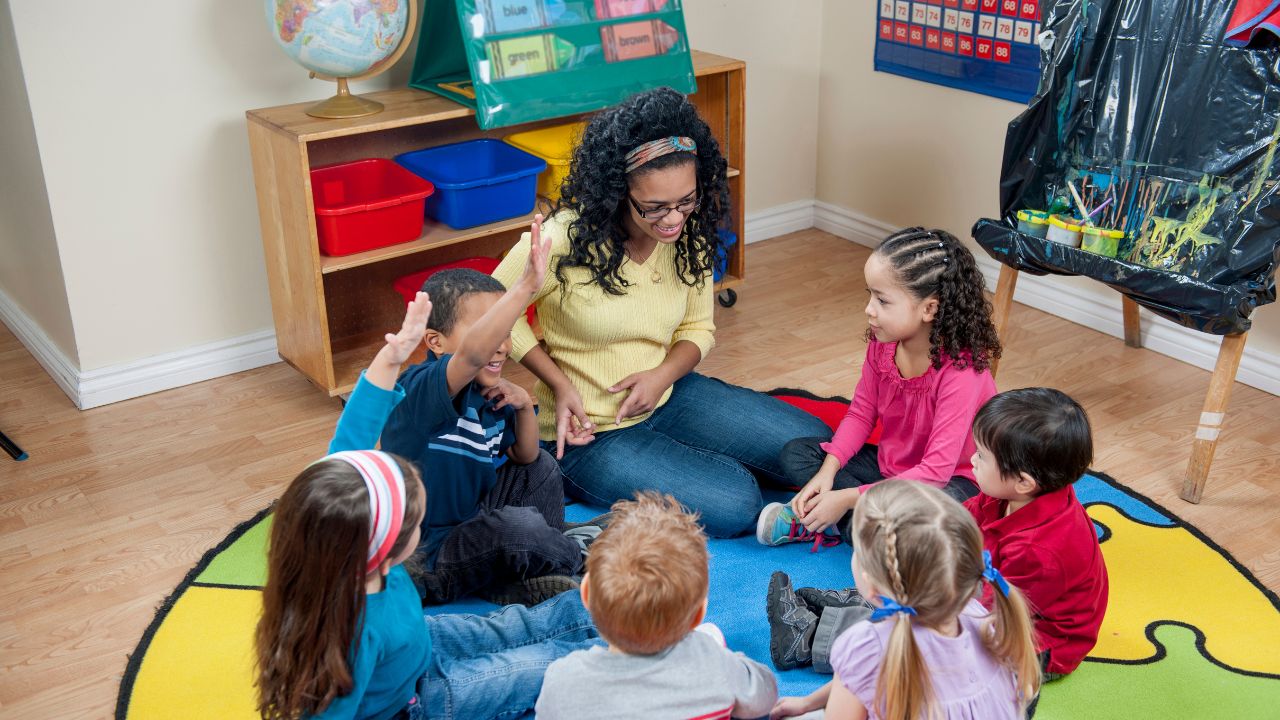
Choose one day a week for a quick gratitude share. It can be a one-minute routine during morning meeting or circle time.
You might:
- Start by sharing one person or thing you are thankful for.
- Invite children who want to share to go next.
Simple, predictable, and meaningful.
Gratitude Journal Corner
Set up a small journal corner, maybe in the writing center. Each child can have a journal or a specific gratitude notebook.
They can:
- Draw someone who helped them
- Ask you to write their words
- Record one good thing from the day
These are not extra projects, just quiet reminders that gratitude fits every season.
The Lasting Benefits for Preschoolers
Over time, daily gratitude helps children:
- Feel more content and cooperative
- Grow more hopeful
- Compare less and connect more
- Bounce back faster from disappointments
Gratitude shifts their focus from what went wrong to what went right. It builds resilience in a gentle, child-friendly way.
Why Gratitude Helps Adults Too
Gratitude nudges adults away from constant comparison. Instead of thinking about what you lack, you remember what you already have, who supports you, and what is going well.
Can you imagine a world where we do not measure ourselves against everyone else, and children grow up with that mindset from the start?
Making Gratitude Your Daily Language
When gratitude shows up in routines, in the words you speak, and in quiet reflection, it starts to shape who both kids and adults become.
You do not need a holiday for that. You only need small, repeated moments.
Start with one question, one wall, or one journal, and let it grow. Start small today.