Teaching Children to Try Before Asking for Help
One part of perseverance that often gets missed is knowing when to ask for help.
Not just asking for help, but understanding that there is a step that comes before it.
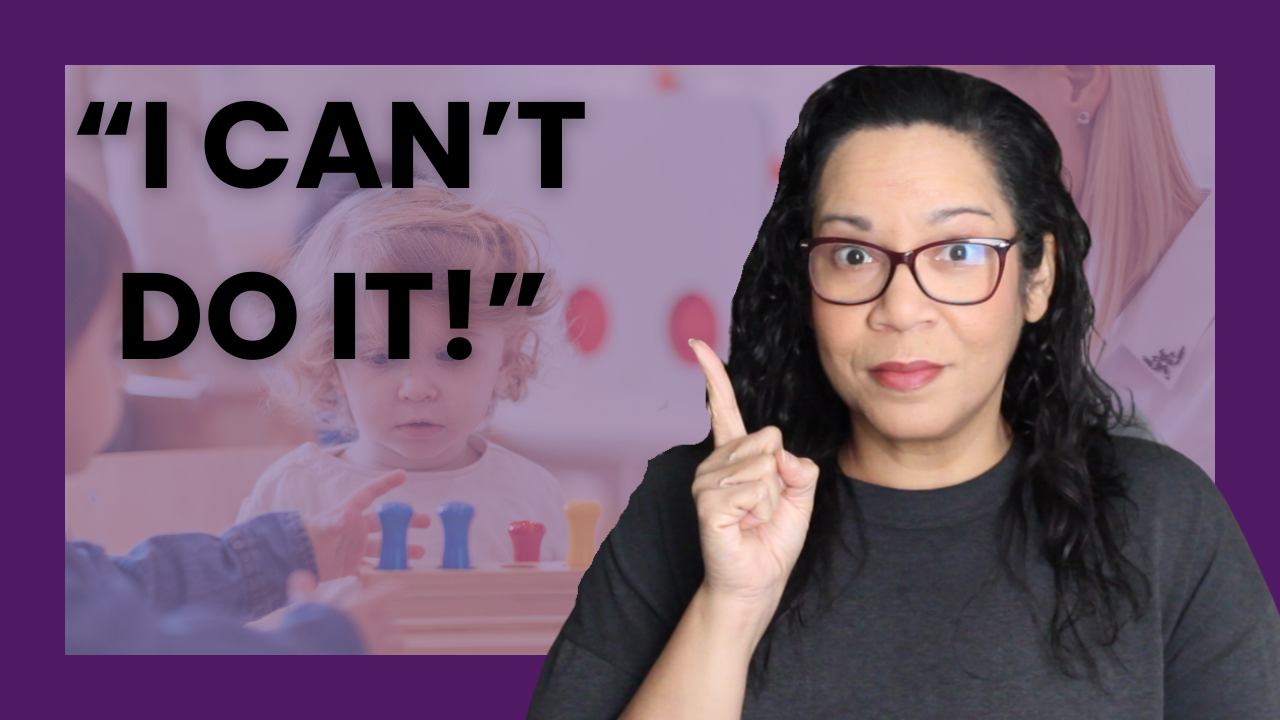
Many young children will say “I can’t do it” or look for help right away, sometimes before they have even tried. At the same time, some children will avoid asking for help altogether and may shut down instead.
The goal is not to push children to be completely independent. It is also not to step in right away.
The goal is to help them learn a simple pattern: try first, then ask for help.
Why the Order Matters
This shows up in small, everyday situations.
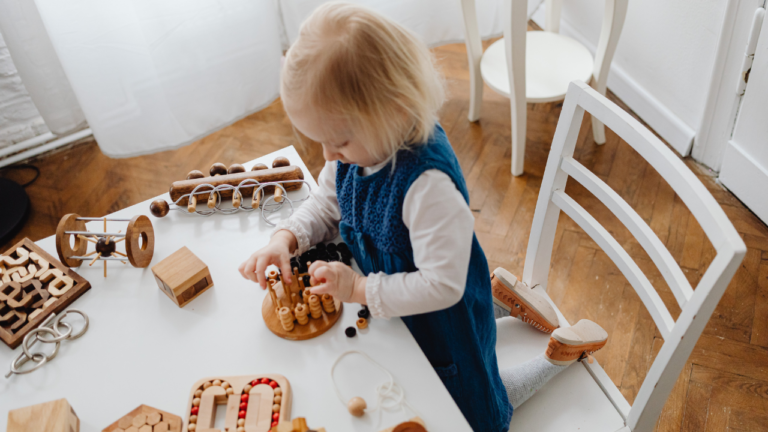
A child is building, getting dressed, or working on something. It does not go the way they expected. Instead of trying, they immediately say “I need help” or “I can’t.”
When that becomes a pattern, children can start to rely on help before they actually need it. Others may just disconnect from the task.
Over time, this can look like avoiding effort or feeling stuck unless someone steps in.
Shifting the order changes the outcome. When children learn to try first, they begin to stay with tasks longer and build confidence in what they can do.
What to Do in the Moment
When a child asks for help right away, it helps to slow things down instead of responding immediately.
A small pause creates space for something else to happen before help is given.
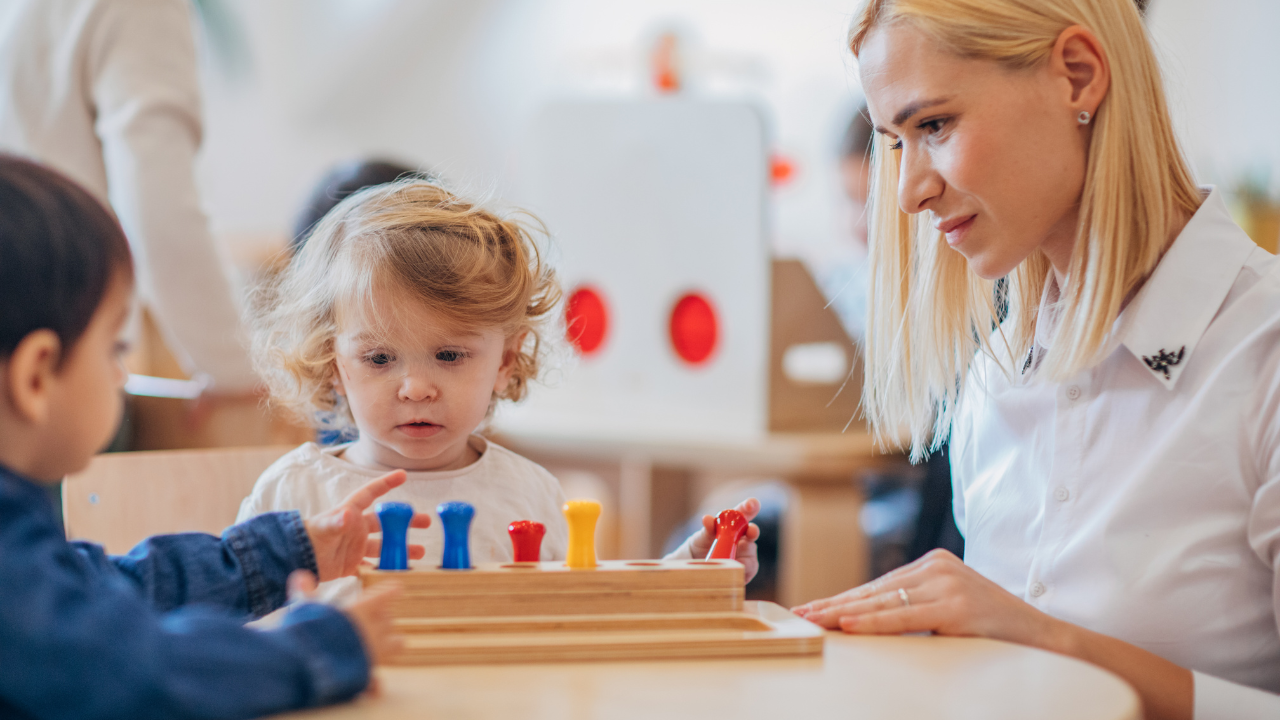
One simple way to respond is by saying, “Show me what you tried.”
That one sentence changes the expectation. It lets the child know that effort comes before help, without removing support.
If they have not tried anything yet, this often prompts them to start.
When They Don’t Know Where to Begin
Sometimes the hesitation is not about avoiding effort. It is about not knowing what to do.
In those moments, a clear starting point can make a big difference.
You might say, “Try one way, then I’ll help you.”
This keeps the task from feeling overwhelming while still making space for that first attempt.
The child is not left alone, but they are also not skipping the trying step.
Keeping It Consistent
Using the same language over time helps children understand what to expect.
Phrases like “Try first, then I’ll help” give a clear and predictable structure.
Children begin to learn that help is available, but it comes after they take a small step on their own.
This consistency reduces frustration because the expectation does not change from moment to moment.
Following Through Matters
Once a child does try, even if it does not work, it is important to step in and support them.
This is what builds trust in the process.
They learn that trying leads to help, not more struggle or being left on their own.
That connection is what keeps them willing to try again the next time.
What This Builds Over Time
With repeated support, children begin to approach tasks differently.
They pause instead of immediately asking. They make an attempt, even a small one. When they do ask for help, it is to keep going rather than to stop.
A More Balanced View of Perseverance
At this stage, perseverance is not about doing everything independently.
It is also not about relying on help right away.
It is about learning to stay with a task long enough to try, and then knowing when to ask for help to move forward.
That balance is what helps children keep engaging, even when something feels difficult.