The Small Signs of Cooperation in Young Children That Adults Often Miss
When adults talk about cooperation in young children, the examples usually sound familiar: sharing toys, taking turns, and playing nicely together.
Those moments certainly matter, but if you watch closely during a typical day with preschoolers, you’ll notice something interesting.
Many of the moments that show cooperation developing are so quiet that adults barely notice them.
And when those moments go unnoticed, an important part of children’s social development is easy to overlook.
Looking Beyond the Big Moments
In an earlier discussion about cooperation, we looked at why children sometimes appear not to cooperate during everyday routines like cleanup or transitions. Often the difficulty isn’t that a child is unwilling. Instead, they may not know where to begin, the task might feel too big, or they may not see how they fit into what’s happening.
But there’s another piece adults often miss.
Even when a child isn’t actively jumping into a task or sharing materials, cooperation may still be happening right in front of them.
What Cooperation Actually Means
At its core, cooperation is not simply about sharing or playing together.
Cooperation happens when a child adjusts what they are doing so that things can work within a shared space.
These adjustments are usually small. They often happen quietly. And because they don’t interrupt anything, they rarely draw attention.
But they are an important part of how children learn to function within a group.
The Quiet Ways Cooperation Shows Up
One example appears when children wait while staying connected to what is happening around them.
Waiting is not always passive. A child may be watching carefully, following along with the activity, and holding their place without interrupting. Even though they are not yet participating directly, they are staying engaged with the group.
That kind of waiting is a form of cooperation.
You might also see cooperation when a child pauses to observe before joining play. Instead of immediately jumping in and taking over, they take a moment to watch what other children are doing. During that pause, they are figuring out how the activity works and how they might enter without disrupting it.
That brief moment of observation is often a child working out how to cooperate within the group.
At other times, cooperation appears when children adjust their behavior based on what is happening around them. A child might shift slightly to make space for someone else, choose a different material because another child is using one, or change their play so that the activity can continue smoothly.
These adjustments are small, but they reflect an awareness of others in the shared environment.
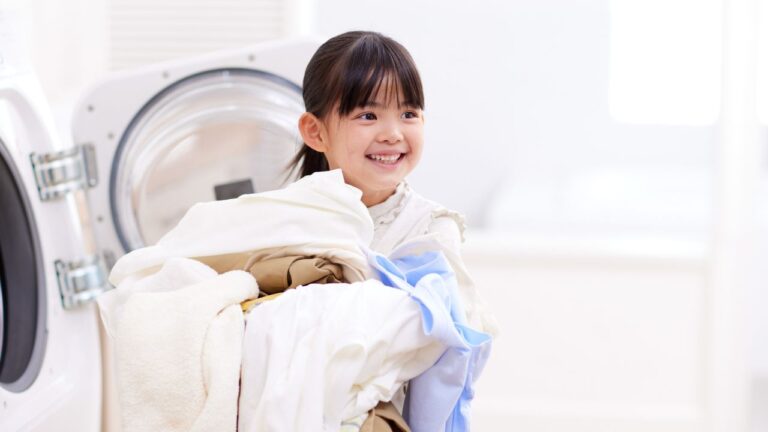
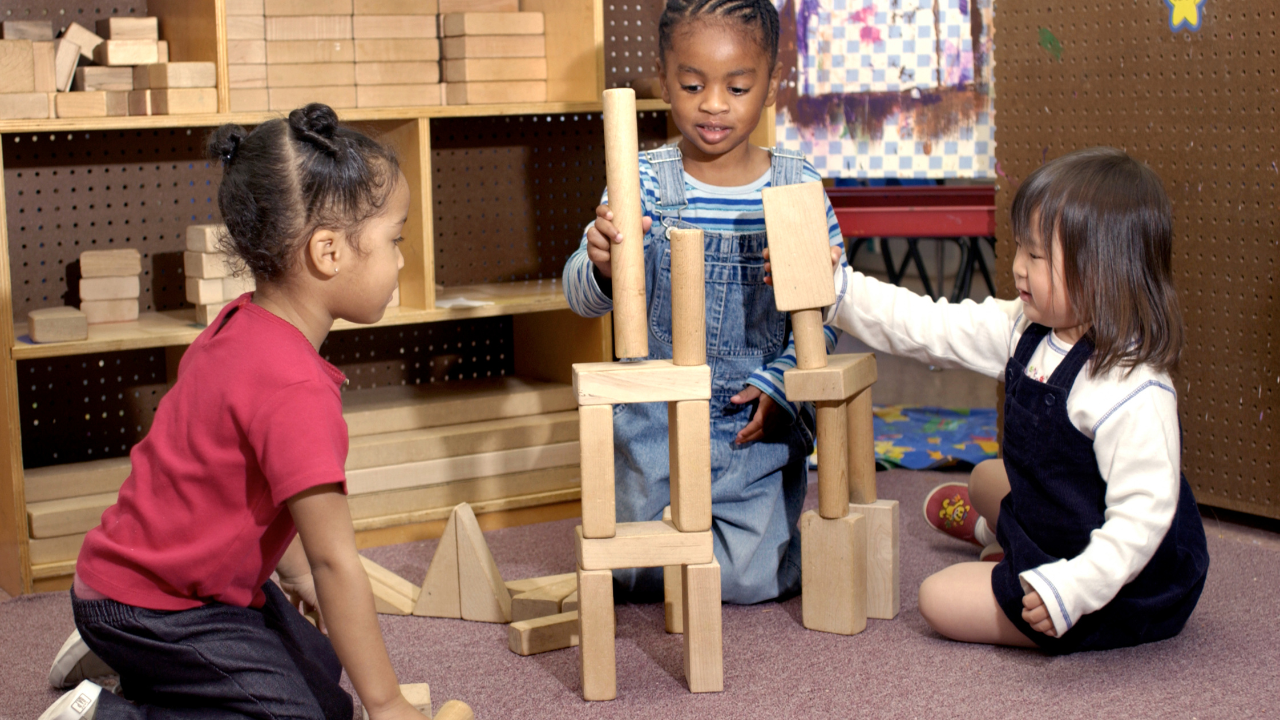
You may also notice cooperation when a child contributes a small piece to a larger task. During cleanup, for example, a child might pick up a few blocks or carry one item to the shelf. The contribution may be small, but it is still participation.
Even deciding not to interrupt an activity that is already working can be a form of cooperation. A child who chooses not to grab materials from someone else or who allows play to continue without disrupting it is also adjusting to the needs of the group.
Why These Moments Often Go Unnoticed
These behaviors are easy to miss because they rarely demand adult attention. They do not interrupt the flow of the day, and they usually happen quietly in the background.
What adults tend to notice instead are the moments when cooperation breaks down- grabbing, interrupting, or refusing to participate.
Those moments are naturally more visible.
But if we only focus on the disruptions, we miss the many small ways children are already learning how to function within a shared space.
What Happens When Adults Start Noticing
When adults begin paying attention to these quieter moments, they start to see cooperation developing throughout the day.
A child pausing before joining play, adjusting what they are doing, or helping in a small way are all signs that children are learning how to participate alongside others.
These moments may seem small, but they are the foundation of the larger social skills adults hope to see later.
A Different Way to Think About Cooperation
Cooperation is not limited to sharing toys or playing together.
More often, it appears in the small adjustments children make as they learn to move through a shared environment with other people.
When adults begin noticing those moments, they gain a clearer picture of how cooperation actually develops—and they begin to see that it has been happening all along.