From Looking to Doing: Helping Children Take the Next Step in Play
You’ve noticed how naturally young children move from one thing to another.
They walk over, pick something up, look at it for a moment, and then move on. This is a normal part of how they explore their environment.
But there is another layer that is easy to miss.
Sometimes a child does not move beyond that first interaction. They check something out, but they do not actually do anything with it. They are not trying to build, solve, create, or figure something out. They are simply passing through.
The Difference Between Exploring and Attempting
There is a small but important shift that happens when a child moves from looking at something to actually trying to do something with it.
Picking something up and putting it down is different from picking it up and attempting to use it in some way.
When that second part does not happen, children miss the chance to see what works, what does not work, and how to adjust.
Everything stays at a surface level.
Why This Matters
When children begin to make real attempts during play, their experience changes.
They start to notice cause and effect. They see what happens when they stack, push, connect, or build. They begin to make small decisions and adjustments.
They also become more invested in what they are doing.
This is what supports longer engagement over time. It is also what leads to trying again when something does not work.
Guiding the Moment Without Controlling It
The goal is not to keep a child in one place or direct every part of their play. Instead, the focus is on guiding what happens while they are already there.
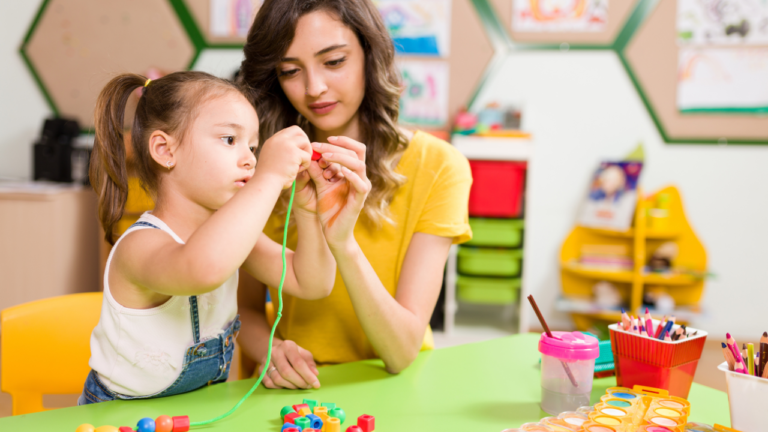
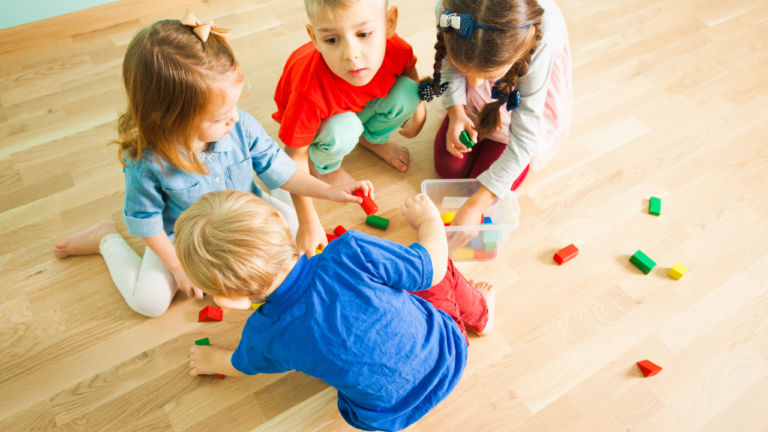
For example, if a child is moving blocks around and starts to walk away, you might say, “What are you making?” or “Can you stack a few?”
These kinds of prompts are not about controlling the activity. They are an invitation to move from looking to doing.
They encourage a child to make an attempt with what they have already chosen.
Keeping the Expectation Simple
This is not about asking for a finished product or expecting a child to stay for a long period of time.
It’s about asking for something to happen.
A small action. A simple attempt. A moment of engagement.
That is enough.
What This Looks Like in Practice
A helpful example of this can be seen in the book The Most Magnificent Thing by Ashley Spires.
At the beginning of the story, the child gathers materials and explores what is available. She looks, sorts, and decides what to use.
Then something changes. She begins to build.
It does not work the way she expects, but she has moved beyond exploring. She is now trying to make something happen. And that is the part to pay attention to.
Not the outcome, and not how long she sticks with it, but the fact that she moves into attempting.
What Children Learn From This Shift
When children begin to move from looking to doing, several things start to develop.
They begin to understand cause and effect. They notice what works and what does not. They make small adjustments based on what they see.
They also become more engaged in their play.
Over time, this is what supports perseverance. It becomes easier for them to stay with an activity, try again, and continue working through something.
Where It All Begins
This does not start with complex tasks or long periods of focus. It starts with helping a child take one small step beyond observation.
They pick something up, and instead of putting it down right away, they try something with it.
That simple action from looking to doing is where deeper learning begins.