Before Belonging Comes Comfort
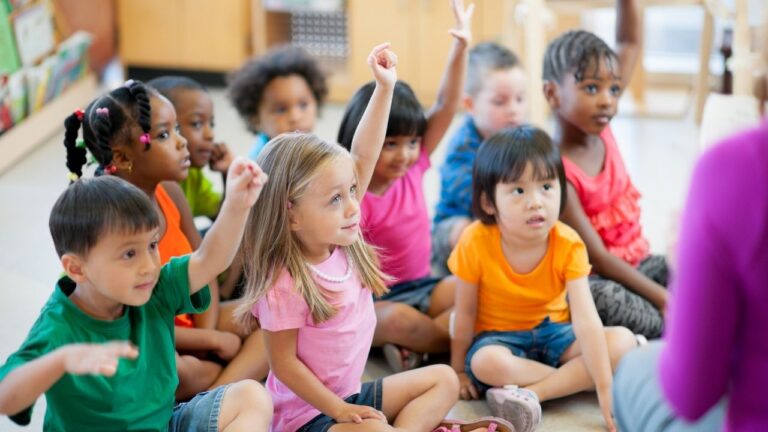
When we talk about helping young kids feel like they belong, we usually picture the big stuff- teamwork, inclusion, raising hands during circle time like confident little humans. 🎉
But here’s the thing no one tells you.
Belonging doesn’t start there.
It starts way before that.
It starts when a child feels safe enough to just exist in a space... without having to figure out every little thing on their own.
The Real First Step to Belonging? Comfort.
Before kids want to:
- Join in
- Raise their hand
- Help out
They need to feel comfortable.
Not in a “soft pants and snacks” kind of way (although, honestly, that helps too). I’m talking about the kind of comfort that lets them exhale. The kind that whispers, “You're safe here. You know how this works.”
And that comfort? It doesn’t come from words. It comes from what adults do- consistently, gently, and over time.
Let’s break it down:
Here are 5 things you can do at home or in the classroom that help kids feel comfortable enough to start truly belonging.
1. Create a Predictable Arrival Routine
Ever notice how much emotional labor young kids do just to arrive somewhere?
- New sounds
- New people
- New rules
- New smells (honestly, preschool has a scent and you know it)
When arrival feels unpredictable, kids stay guarded longer. But when it follows a familiar rhythm- same greeting, same place for backpacks, same first steps, something shifts.
Kids don’t have to scan the room like mini security guards. They know what to do. And knowing builds confidence.
Predictable doesn’t mean boring. It means safe.
2. Be Calm + Visible During Tricky Transitions
Transitions = the Bermuda Triangle of early childhood.
Whether it’s cleanup time, lining up, or shifting from play to group time- those moments are just hard.
What helps isn’t a flood of directions (been there, tried that).
It’s your presence.
Just being calm and nearby- not hovering, not correcting every move- can do wonders. Your calm becomes their cue:
"If you’re not panicking, maybe I don’t need to either.”
3. Respond to Mistakes with Predictability (Not Perfection)
Spills happen. Feelings explode. Blocks get chucked across the room.
It’s not the mistake that shapes a child’s sense of belonging.
It’s what happens after.
Kids feel more secure when adult responses are:
- Predictable
- Measured
- Not way bigger than the moment
When a child learns, “Even when I mess up, I still belong here,” something powerful happens. That safety becomes the foundation for emotional risks, social growth—and eventually, academic ones too.
4. Build Rhythms at Home (Not Rigid Schedules)
Belonging doesn't clock in at the classroom door. It begins at home.
If your child seems “off” at school, one of the first questions teachers ask is:
"How was the morning?" or
"How's bedtime been lately?"
Why? Because a predictable rhythm at home- especially during transitions like waking up, getting dressed, or winding down- helps kids arrive at school more grounded.
It doesn’t have to be a color-coded chart.
It just needs to feel familiar.
“I’ve done this before. I know how this goes.”
5. Stay Calm Before You Correct
Home is where kids feel safe enough to unravel. (Cue: meltdowns, power struggles, and dramatic Lego-based offenses.)
It’s also the place where belonging deepens the most if the adult in the room can stay regulated before responding.
No, this doesn’t mean being a Zen monk during crayon-on-the-wall incidents.
It means:
- Taking a beat before reacting
- Using a steady tone (even when you want to shout into a pillow)
- Leading with calm, then setting the boundary
Kids still need limits. But when those limits are paired with connection?
They go down a lot easier.
Here’s the Bottom Line:
Comfort comes first.
Comfort makes belonging possible.
And belonging opens the door to everything else.
So before you worry about group participation or "getting them to share," ask:
“Do they feel safe enough to just be here?”
When the answer is yes, everything else starts to grow from there.
Want easy, done-for-you resources to help your kids practice values like these?
Check out the Character Toolkit Hub- a growing library of playful, print-and-go activities for home and classroom.
Character Toolkit Hub