Quick Low Prep Cooperation Ideas for Preschoolers (Classroom & Home)
Wishing you had more helping hands, calmer transitions, and fewer power struggles over simple tasks? Continue reading. Little ones want to help; they just need simple ways to cooperate built into their day.
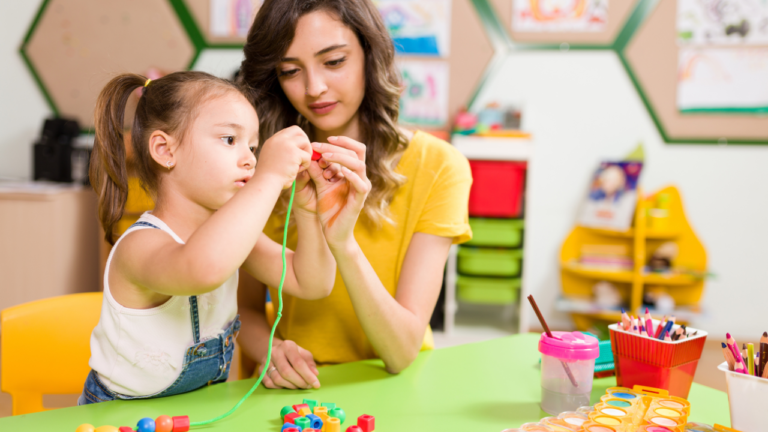
The ideas below are quick, low prep, and feel like play. You can slip them into your routine at school or at home, while kids quietly practice skills like communicating, listening, collaborating, and helping.
Why Tiny Cooperation Moments Matter
Cooperation does not have to come from big group projects. It can grow in short, easy moments that happen again and again.
These small tasks teach kids, in little pieces, that:
- I can work with others
- We can do more together
- Helping feels good
There is no pressure, just play. You are building teamwork through everyday life.
Classroom Cooperation Ideas
These ideas fit into normal parts of the day, like clean up, changing themes, or moving materials.
Two-Person Job Basket
Set up a basket that always needs two children to carry.
You might fill it with:
- Art supplies to move to a table
- Thematic library books to carry to your teaching area
- Manipulatives that need to travel to a new center
Children quickly see that some jobs work better together. They feel strong and important when they are trusted with a real task that only a team can do.
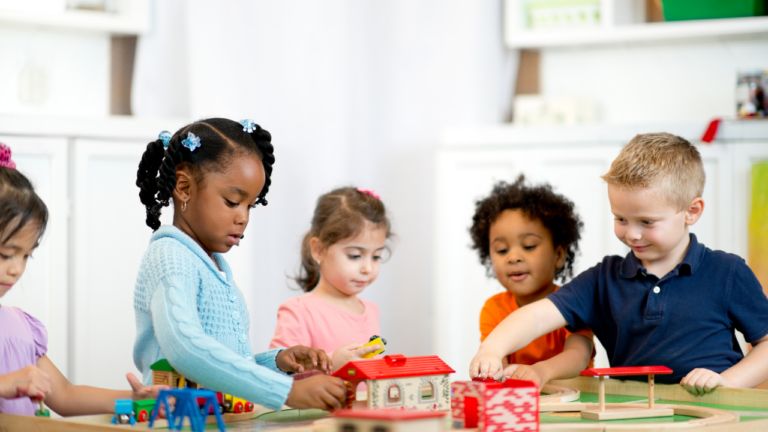
Partner Pattern Building
Turn any center into a partner activity by asking kids to build patterns in pairs.
You can try:
- “Your turn, my turn” with blocks or loose parts
- Choosing the next color together in a pattern
- Adding one piece each to a repeating design
This works well in the block area, art center, or with small manipulatives. You are taking something they already love and simply shifting it into partner play, so cooperation grows through play.
One-Piece Puzzle Game
Place a few puzzle pieces in the middle of an area. Invite one child at a time to choose a piece, place it, then call the next friend.
This simple game is:
- Calm
- Collaborative
- Great for problem-solving
Kids practice waiting, watching others, and cheering their friends on.
Sorting Challenge
Ask two children to help you with a quick sorting job. Kids love sorting, and it builds teamwork fast.
Easy ideas:
- Sort items by color or shape
- Put notes from the office into the classroom mailboxes
- Later in the year, sort art projects into cubbies once they can “read” names
They feel grown up, and you get real help at the same time.
Trusted Helper Tasks
Let children carry important items when you move from place to place. For example:
- A binder with emergency numbers
- A clipboard to check off names
Even a small request like, “Can you hold this for a moment while I tie this shoe?” helps them feel trusted and included. Over time, many children start asking if they can help.
Home Cooperation Ideas
These ideas slide into your regular routines, especially during clean-up and snack time.
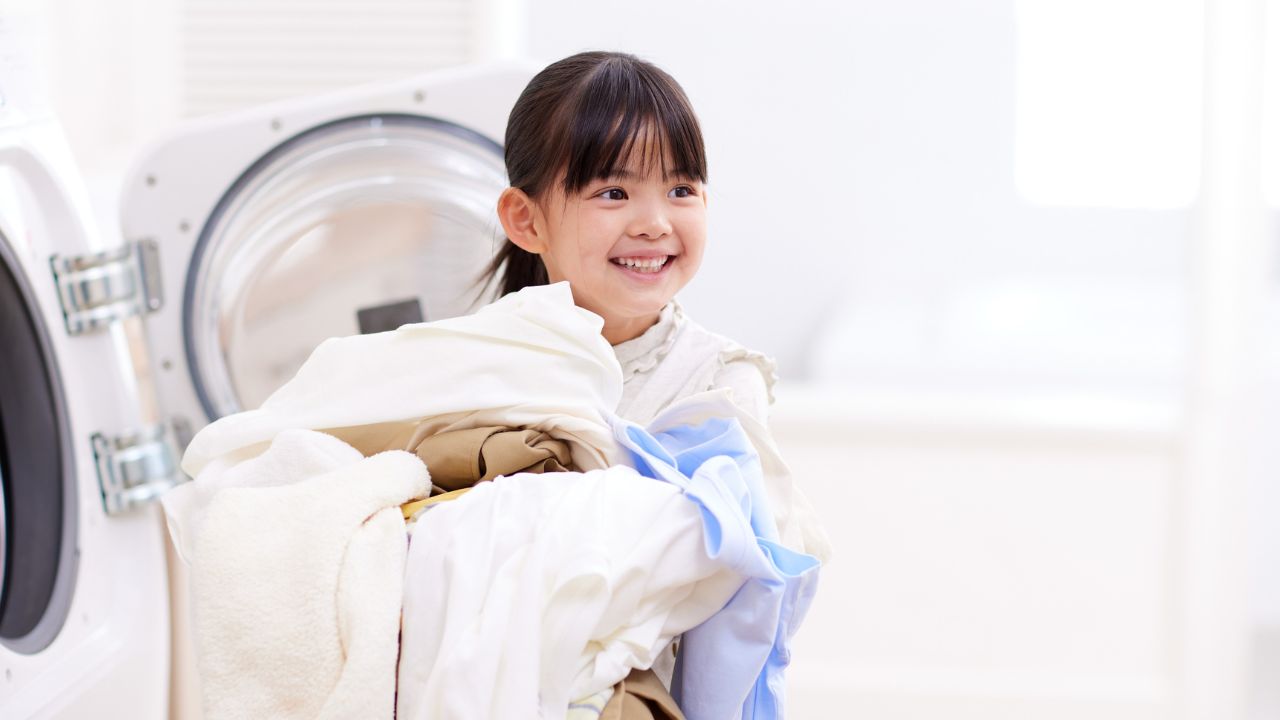
Team Treasure Hunt
Turn clean up into a team hunt. Pick one category, such as:
- All the books
- All the socks
- All the stuffed animals
Children work together to gather the items and bring them to a chosen spot. It feels like a game, not chores, but it is still purposeful helping.
Build a Snack Together
Set out three or four snack items, such as crackers, fruit, or cheese. Each child takes a turn adding one part to a shared bowl or plate.
They see the snack come together because everyone helped. It is simple, fast, and kids feel proud that they “made” the snack.
Mix and Match Race
Use all those loose items that need matching:
- Socks
- Shoes that need a partner
- Plastic containers and their lids
Ask kids to race together to find matches. It is quick, cooperative, and it actually helps you tame that cupboard full of random containers.
Why These Ideas Work Anywhere
These small cooperative moments quietly build social skills. Kids learn:
- How to listen and take turns
- How to solve small problems
- How good it feels to be part of a team
They do not take much time or planning. They are simple, playful, and fit into any part of your day.
Try One Today
Pick one idea for your next transition, clean up, or snack time, and see how kids respond. These tiny moments of everyday cooperation add up to big growth over the year.
Which one will you try first?