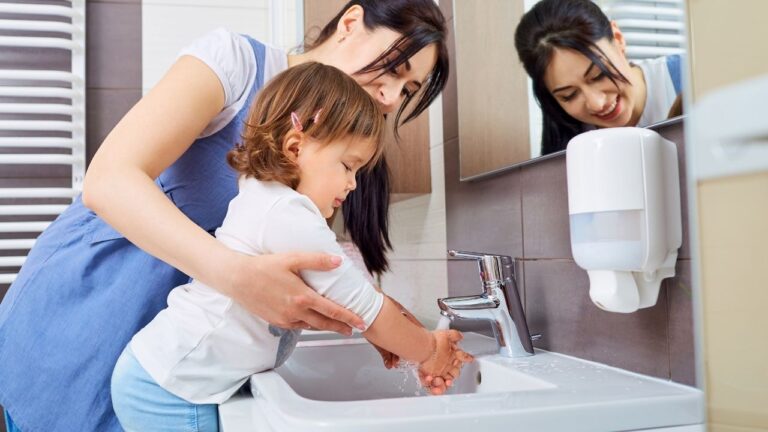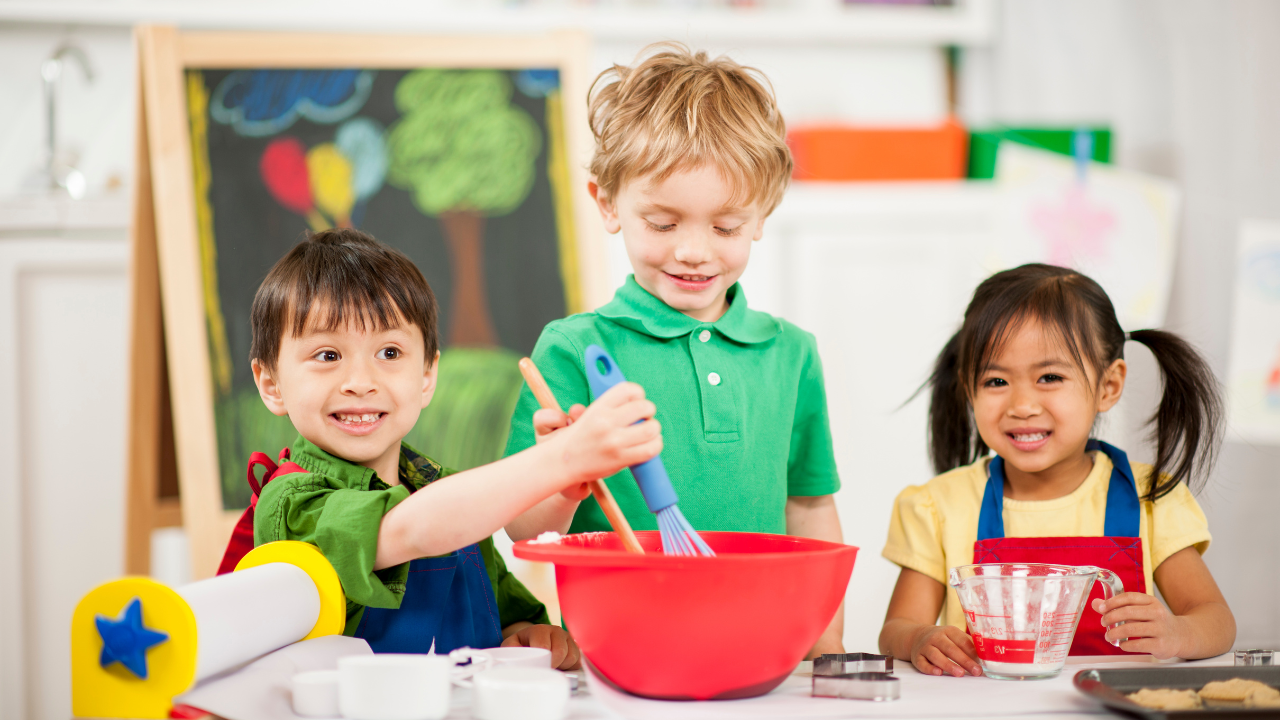
How Real Contribution Deepens Belonging
Let’s be honest- when we think of preschool “helping,” we picture adorable little hands passing out napkins or feeding the class fish with supervised precision.
But real talk?
Contribution is about more than a job chart or handing out snack cups.
It’s about a child believing: “This place runs better because I’m in it.”
Once a child feels comfortable being there...
Once they start dipping their toes into participation...
There’s a moment where they begin to notice more.
- The routine.
- What’s missing.
- What could be done.
And from there? That sense of:
“I can help. I matter here.”
That’s the heart of true belonging.
Let’s dig into how adults can make room for that kind of contribution- at home, at school, or wherever little humans are learning to show up.
1. Offer Roles That Actually Matter
Kids can smell a token job from a mile away. (And yes, “line leader” still slaps, but it can’t carry the whole weight of belonging.)
Instead, try:
- Letting them set up materials or prep a space before others arrive
- Assigning a “care-taker” role for a classroom area that needs daily attention
- Having them reset a space at the same time each day so they become the go-to person for it
The magic happens when a child starts to think:
“This happens because I do it.”
Reliability builds confidence. And confidence builds connection.
2. Celebrate Quiet Contribution (Without the Spotlight)
Not every good deed needs a mic drop moment.
In fact, some of the most powerful contributions happen when:
- No one claps
- No one compares
- No one announces it to the whole group
When kids get to help without performance pressure, they stay more focused on the task itself- not the reward.
That motivation? It comes from within.
And it sticks around longer than praise ever could.
3. Let It Be Messy. Let It Be Slow.
This one’s hard. Especially if you love a neatly folded towel stack or an efficiently cleaned art station.
But here’s the truth:
Kids want to contribute before they’re good at it.
That means:
- Folding towels that look like wadded-up burritos
- Sweeping... kind of... in the direction of crumbs
- Taking 7 minutes to pour water into a plant pot (with most of it ending up on the floor)
And that’s okay.
Because contribution isn’t about perfection.
It’s about trust.
When adults let kids grow into the responsibility- instead of waiting until they’re “ready”-kids feel like their effort is valued, not just their results.
Yes, you might redo it later.
No, they don’t have to know you did.
4. Build Contribution Into the Daily Rhythm (Not as a Bonus Task)
At home, contribution doesn’t need a sticker chart. It just needs consistency.
Try:
- Letting your child set part of the table every day
- Having them feed the pet
- Giving them a small daily task like putting away shoes or folding towels (however they fold towels- it’s fine)
One of my favorite memories? Folding towels as a kid. They weren’t perfect (understatement), but everyone used them. And I knew I helped. That mattered.
When kids see the impact of their effort, they feel connected.
And that connection builds ownership. It says:
“You’re not just living here. You belong here.”
5. Contribution Without Incentives? Yep. Totally Possible.
You don’t need to dangle rewards to make contribution meaningful.
When helping becomes part of the daily rhythm- not something “extra” that earns something- belonging deepens.
Why?
Because the message becomes:
- We do this because it matters.
- We do this because we care for our space- and each other.
- We do this together.
And that’s enough.
The Belonging Timeline: A Quick Recap
Over the last three posts, we’ve explored how true belonging grows in three quiet stages:
- Comfort – “I feel safe here.”
- Participation – “I can join in here.”
- Contribution – “This place needs me.”
Each one builds on the next.
And each one becomes possible when adults shape environments where belonging can actually take root.
So whether you're in a classroom, a living room, or the middle of a grocery store aisle at 4:30 PM...
Know this:
Kids don’t need to prove they belong.
They need to be shown they already do.
And when they feel that?
They show up differently.