Want Responsible Preschoolers? Start with Belonging.
Responsibility doesn’t magically appear because we told a kid, “Be responsible.” It shows up when they feel like they matter. Like they’re part of something. Like they belong.
Responsibility sticks when a child feels like a valued part of their community- whether that’s in a classroom, at home, or somewhere in between.
Belonging First. Then Responsibility.
If you’ve ever asked a preschooler to clean up and been met with either (a) a blank stare or (b) an interpretive dance involving a toy broom... you’re not alone.
But here's the thing: when children feel like they belong, they want to take care of the space and people around them.
It becomes their classroom. Their job. Their friends.
And with that comes a sense of ownership- the kind that responsibility grows from.
Preschoolers learn to be responsible when they feel like trusted, needed members of their little community.
Think about it- when kids:
- get to help set the table for snack,
- are in charge of feeding the class fish
- or pass out the napkins
They’re not just helping.
They’re contributing. They’re connected. They’re invested.
What That Looks Like in Real Life:
- A child eagerly setting out snack cups because that’s “their job today”
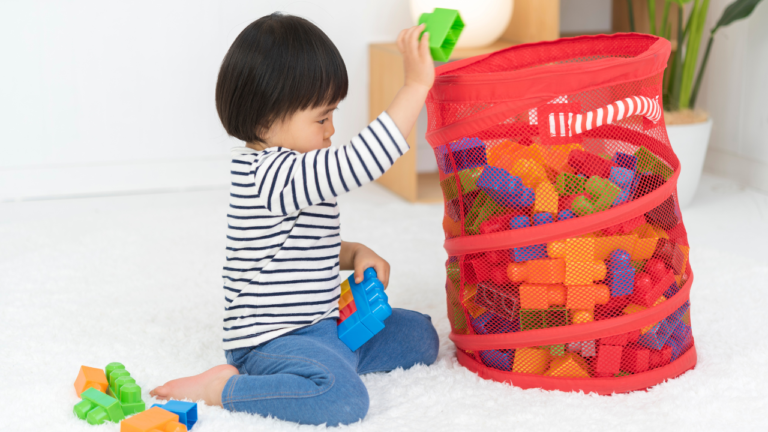
- Helping pack away blocks because that’s what we do to take care of our space
- Noticing a friend needs help zipping a coat- and offering without being asked
These little moments? They’re signs of a child who feels connected.
And when a child feels connected, they’re more likely to care, contribute, and follow through- not just because they’re told to, but because they want to.
Because in their minds, they’re doing something real. And being treated like someone who can help? That’s where confidence and ownership begin.
Want kids to be responsible? Start by letting them be seen. Let them feel needed. Let them know they’re not just cute sidekicks- they’re part of the team.
It Doesn’t Have to Be Complicated
You don’t need a fancy behavior chart or Pinterest-perfect job board to build this.
Sometimes it’s as simple as:
- Saying, “I need your help today” and meaning it.
- Letting them be in charge of something small- and treating it like it matters.
- Creating routines that say, " We take care of each other here."
It’s the tone. The trust. The repetition. The sense of we’re in this together.
So whether you're at home or in the classroom:
- Assign real responsibilities (even if it takes three times longer).
- Let them lead (even if the “leader” ends up with glitter in their hair).
- Celebrate effort over perfection.
Because the real lesson isn’t in how neatly they stack the blocks or fold the towels. It’s in how they show up for their people.
When kids feel seen, included, and genuinely needed, they rise to the moment- again and again.
Let them help.
Let them belong.
Responsibility will follow.