What Children Learn About People When We’re Not “Teaching”
Recently, I found myself thinking about something subtle but incredibly important: children are constantly learning about people, and not always from places that were meant to teach them.
They overhear conversations in the kitchen. They catch reactions in passing at school. They notice what gets repeated, what gets laughed at, and what makes the room suddenly quiet. Even when they do not fully understand a situation, they understand tone. And tone carries meaning.
When similar reactions show up again and again, children begin forming simple rules. Not detailed explanations or complex conclusions, but small ideas that help them make sense of their world.
They may begin to think, “This kind of person gets talked about,” or “This difference seems to get attention,” or “This is something people react strongly to.” No one sits them down to formally teach these lessons, yet they absorb them just the same.
When the World Gets Louder Than Their Little World
For most preschool-aged children, their understanding of people grows from their small, immediate circle. Family members, classmates, neighbors, and trusted teachers shape what feels normal and safe. Their world is predictable.
But sometimes the outside world becomes louder.
Reactions intensify. Conversations repeat. Emotions feel stronger.
In those moments, children are not simply observing behavior. They are trying to understand what seems obvious to the adults around them. They sense that something matters, even if they cannot name it. And this is where adults step into a role they may not have expected. They become interpreters.
The Role of the Adult: Interpreter
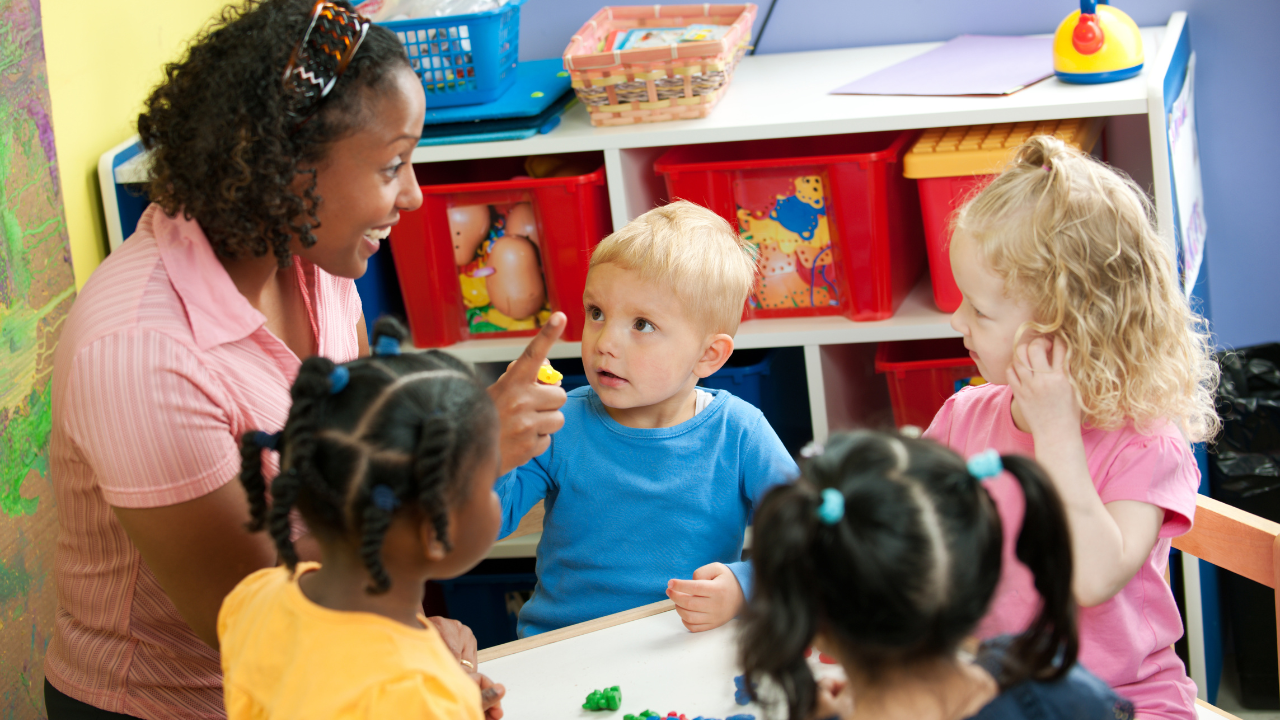
Being an interpreter does not mean explaining every adult situation in detail. It also does not mean pretending children did not hear what they clearly heard. Instead, it means providing a steady reference point for how people are treated.
Young children do not need complex context. What they need is guidance on how to think about people when they see strong reactions.
Rather than analyzing the event itself, adults can translate the underlying message into something clear and grounded. We might say, “People aren’t jokes,” or “Differences aren’t problems,” or “Someone being talked about doesn’t change their worth.”
We do not have to reference where the example came from. Children have already made connections. What they need is a framework that keeps them from forming harmful or incomplete rules on their own.
Why Patterns Matter More Than Explanations
Children do not learn only from what their adults say. They learn from what they consistently experience.
If they hear something dismissive in one setting but regularly encounter calm, respectful language from adults they trust, they begin to understand something powerful: reactions to people are choices, not facts.
Over time, those patterns shape how they interpret future situations. The consistent tone in your classroom or home becomes an anchor.
You Cannot Control Everything They Hear- But You Can Shape What They Learn
Parents and teachers are not able to block out the world. There will always be moments when the broader culture models something you would not intentionally teach.
In those moments, silence communicates something. Over-explaining communicates something, too. What tends to be most effective is a calm, consistent response that offers a better way to understand people, regardless of which reaction is loudest in the moment.
While you cannot control every message children encounter, you can shape what they carry forward from it. And for the three-, four-, and five-year-olds in your care, that shaping matters more than you may sometimes realize.