Teaching Preschoolers to Work Together (Even During the Holidays)
Holiday months have a different energy, right? Kids are excited, routines shift, and even simple things like putting toys away can feel like a group project no one signed up for. This is exactly why teaching preschoolers to work together matters so much, especially when everything feels a little extra.
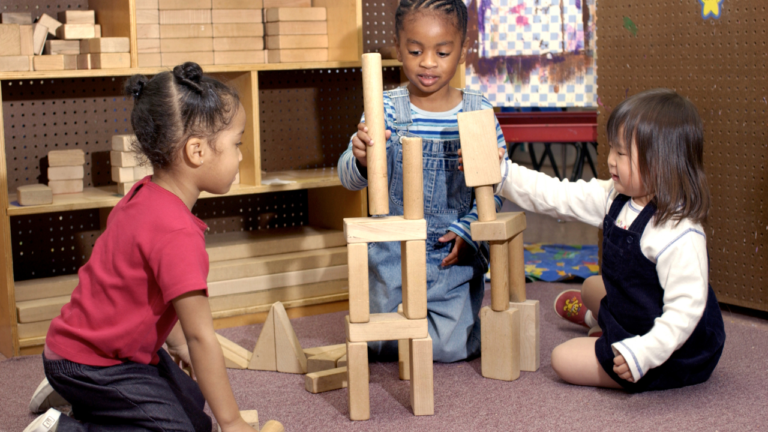
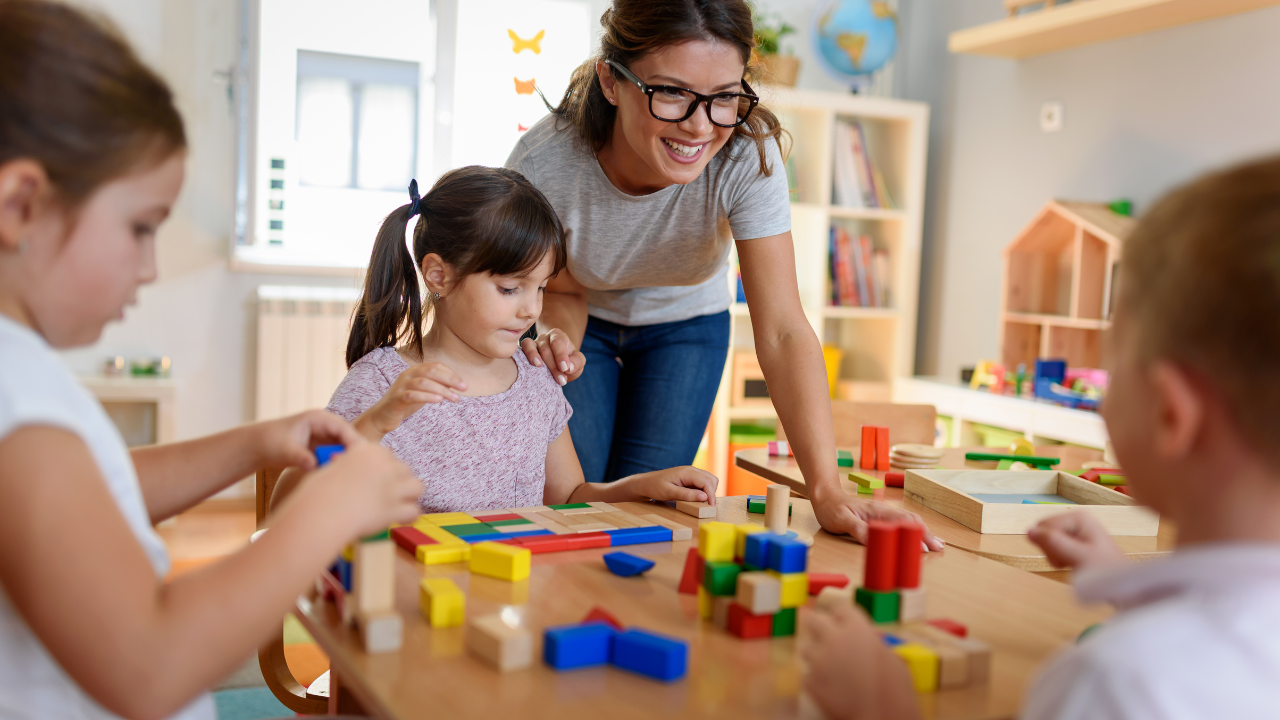
Whether you are at home with a couple of little ones or in a classroom of 15 busy preschoolers, you can teach teamwork in small, simple ways that fit into your day.
Why Holidays Make Teamwork Trickier
During the holidays, preschoolers feel everything. Holiday excitement, different schedules, family events, late nights, extra sugar, and sometimes just plain tired bodies.
When children feel off, cooperation often gets harder. You might notice more tug of war over toys or louder pushback during cleanup. You are not imagining it. Their world feels busy, and their behavior shows it.
Spotting the Signs in Your Day
You might see things like:
- More disagreements over toys or who had it first
- Resistance to sharing, waiting, or taking turns
- Extra tug-of-war moments during clean up or group tasks
These are signals that kids need more support, not more pressure.
Preschoolers Do Not Know Teamwork Automatically
Adults sometimes expect young children to just "work it out." But preschoolers do not automatically understand:
- Turn taking
- Having a shared goal
- Waiting while someone else goes first
- Dividing tasks
- Letting others help
They learn cooperation the same way they learn to zip a coat or pour water, by watching, trying, and practicing again and again.
- Watch an adult or older child
- Practice with guidance
- Repeat many times
Why Repetition Matters
Cooperation is not a one-time lesson. You model and name it daily, so the idea of teamwork slowly becomes familiar and safe.
Model Teamwork with Everyday Language
Your words help children notice teamwork when it happens. Use simple phrases like:
- "Let’s do this together."
- "You helped make this so much easier."
- "We worked as a team."
- "You held the bin while your friend put the blocks in."
- "You waited your turn while your friend finished."
Narrate what you see so they can connect the action to the new words.
Make Helping Visible to Kids
Show them what cooperation looks like in real time:
- "Can you hold the bowl while I pour?"
- "Let’s both carry this."
- "You put out the spoons, and I will put out the cups."
When helping is visible and named, children start to copy those same actions.
Simple Teamwork Moments at Home or School
You do not need a special lesson or fancy activity. Use regular routines:
- Setting the table together
- Cleaning up toys as a team
- Folding towels side by side (many kids love the simple, repeatable motion)
- Helping a sibling zip up their coat
- Preparing snack together, like "You wash and I will slice."
- Carrying a bin or basket together
These are quick moments where preschoolers can feel helpful, successful, and connected.
Cleanup and Partner Tasks
During cleanup time, pair children on small jobs:
- Assign partners to one area or bin
- Narrate their success, like "You two worked together to put all the blocks away."
Even two kids using tiny dustpans from the dollar store can feel like a real team effort when you point it out.
Benefits of Daily Teamwork Activities
When children experience teamwork in small doses every day, a lot starts to shift.
- They use their words more
- They solve simple problems on their own
- They feel more confident
- They feel like they belong
- Teamwork reduces conflict
Classroom Management Win
In a classroom, regular teamwork builds a sense of community. As that community grows, the group starts to manage itself more, and the room feels calmer for everyone.
Quick Tips to Start Today
You can start small:
- Add one teamwork phrase to your language today
- Invite a child to be your helper during a simple task
- Pair kids up for part of cleanup
- Point out tiny moments of helping that you see
These ideas are effective in home settings, preschool classrooms, and homeschool environments with children aged 3 to 5 years old.
Share Your Teamwork Wins
What do you already do to help your kids work together? Think about one activity where they could share a job instead of doing it alone.
What Comes Next
There is even more to explore with quick, low prep cooperation moments you can slip right into your current routine.
Teaching preschoolers to work together does not have to be big or fancy. It is those small, everyday moments that slowly shape a calm, connected group of children.