Teaching Respect to Preschoolers (Without the Power Struggles)
Teaching preschoolers about respect can feel a little... ambitious.
But here’s the thing: kids can learn respect — even at three, four, or five. We just have to meet them where they are.
Forget lectures and long speeches. The key is to build it into everyday moments with simple, clear strategies that actually make sense to young kids.
So What Does “Respect” Even Mean to a Preschooler?
Respect isn't just saying “yes ma’am” or “no sir.” It’s about:
- Listening when others talk
- Taking care of shared things
- Using kind voices and bodies
- Recognizing that other people have feelings too
It’s big stuff. And it’s learned over time — through repetition, modeling, and a whole lot of grace.
Three Strategies That Actually Work
1. Model It First (Even When You’re Tired)
We can’t expect preschoolers to say “please” and “thank you” if we’re not using them ourselves.
Start small:
- Use calm tones when redirecting
- Say “excuse me” or “thank you” to them
- Respect their space and voice, too
Little eyes are always watching. And they copy more than they listen.
2. Use "Respect Language" Consistently
The more we use words like:
- “These are gentle hands.”
- “This is a listening body.”
- “I’m waiting patiently for my turn.”
…the more those ideas stick. Don’t worry about sounding repetitive- repetition is how they learn.
It’s not about shaming — it’s about guiding.
3. Practice, practice, practice
Give kids chances to try it out — in playful, low-pressure ways.
At school or at home, you can:
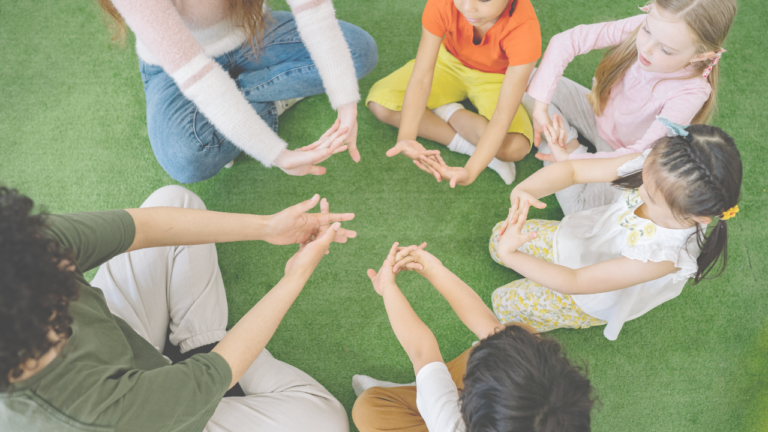
- Play quick listening games where kids freeze into listening bodies.
- Replaying it with a redo: “Let’s try saying that again with kind words.”
- Reinforcing the positive: “I noticed how you waited your turn — that was really respectful!”
Kindness and respect grow with practice — not punishment.
One More Thing: Respect is a Two-Way Street
They need to experience respect too.
That means:
- Letting them make age-appropriate choices
- Listening when they have big (or silly) feelings
- Giving them space to try again without shame
The more respected they feel, the more they’ll offer it back.
You’re Already Planting the Seeds
Teaching respect means raising kids who value others, speak kindly, and understand how to live (and share space) with the people around them.
It’s slow work. It’s daily work. But it does work.