Teaching Generosity Through Everyday Routines (No Fancy Lesson Plans Needed)
Generosity doesn’t have to be a grand event.
You don’t need a holiday, a themed week, or a glitter-covered giving jar to start teaching kids what it means to give freely. In fact, the most powerful lessons in generosity? They happen during the everyday, in-between moments- the kind you’re already living.
Whether you’re at home or in a classroom, you’ve got everything you need to start weaving generosity into your routine- and to help kids feel good about giving, not just obligated to do it.
Why Generosity Needs to Feel Real
Preschoolers are still figuring out their world. If generosity always looks like handing over a toy they love or giving something up because an adult says so, they’re not likely to associate giving with joy- they’ll link it with loss or pressure.
But if generosity shows up in natural, everyday ways?
- Helping a friend zip a coat
- Offering a turn without being asked
- Bringing something to a group project to share
That’s when it clicks because it’s part of real life, not just a lesson on a chart.
Three Everyday Routines Where Generosity Can Shine
1. Snack Time
Snack time is full of opportunities to model and encourage generosity:
- “Would anyone like to share their napkins?”
- “Oh look, Jamie offered her chair to a friend- that was so generous!”
No pressure. No guilt. Just noticing and naming generous behavior when it happens.
2. Clean-Up Time
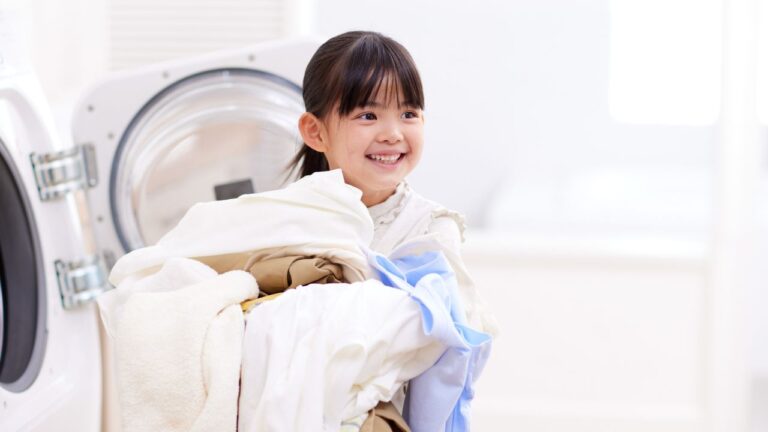
Helping clean up a space they didn’t mess up? That’s generosity in action.
“You helped your friends clean the blocks even though you weren’t playing- that shows you care about our classroom.”
It reinforces that generosity isn’t just about things- it’s about effort and care too.
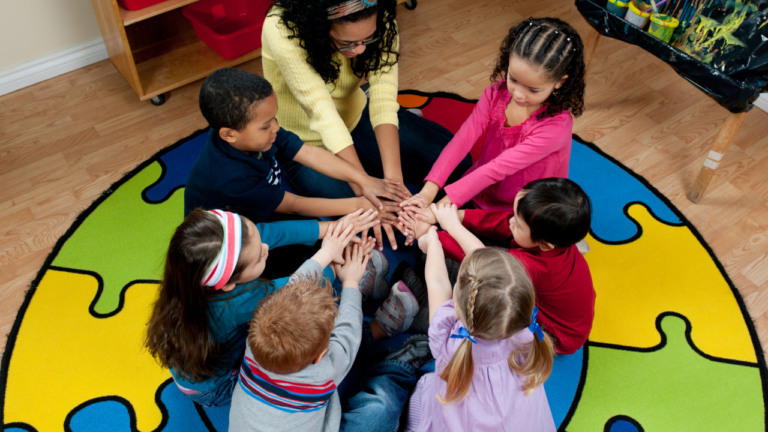
3. Group Activities
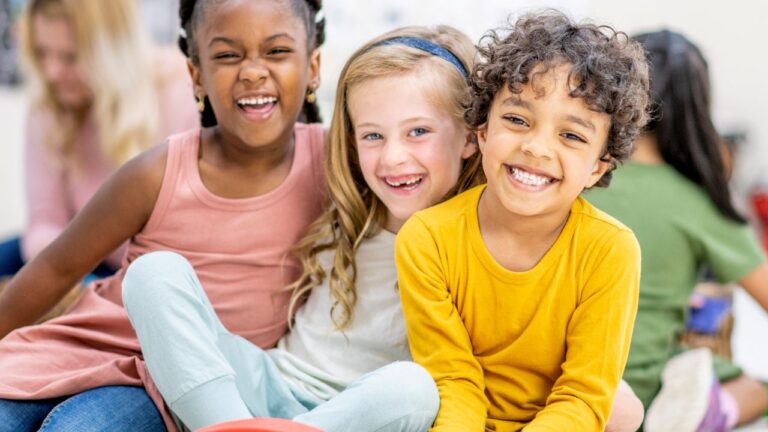
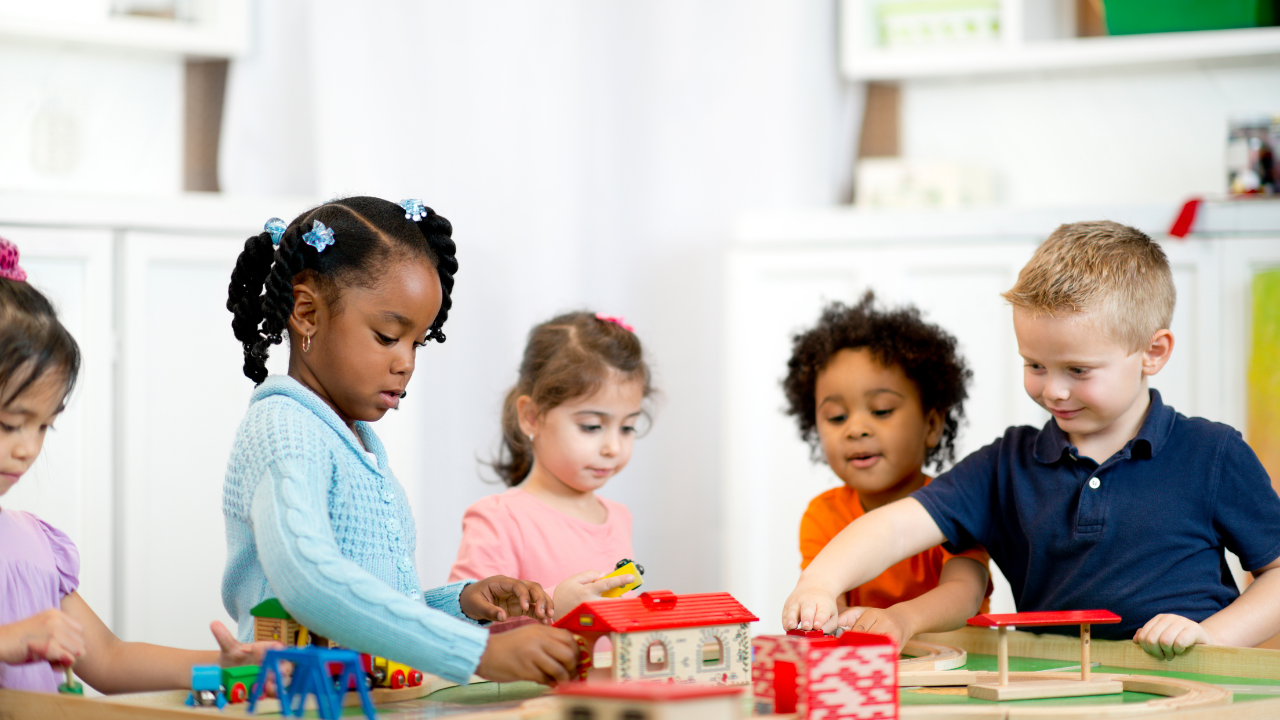
During shared play or group crafts, generosity might look like:
- Letting someone else choose first
- Handing over a favorite marker
- Helping a friend catch up instead of rushing ahead
And when those moments happen, pause and celebrate them. Let children hear that their giving made a difference.
The Secret Sauce? Modeling + Narrating
The best way to teach generosity is to live it out loud. Not with lectures- just with simple narration:
- “I’m going to bring an extra set of supplies in case someone forgets.”
- “Let’s leave this space better than we found it- that’s a generous way to think about others.”
Kids don’t need us to be perfect. They need us to be intentional.
You’re Already Teaching It
If you’re taking the time to read this, you’re probably already modeling generosity in the way you show up for your kids, your students, and your community.
So don’t worry about making it fancy. Just make it visible.