Helping Preschoolers Understand How Their Actions Affect Others (Teaching Responsibility)
Kids come to a point where they stop noticing only what they did and start noticing what happened because of it. A block tower falls, a toy “disappears,” cleanup takes forever, and suddenly their choices affect other people, too. This is where responsibility starts to stretch past the self and into shared life.
The Natural Growth of Responsibility in Shared Spaces
In early responsibility, kids focus on their own bodies, belongings, and simple tasks. Then they spend more time in shared spaces, and responsibility expands.
Common shared spaces include:
- Homes
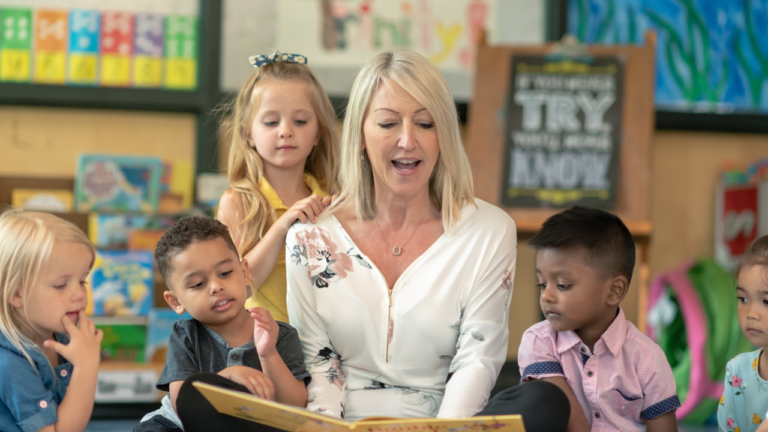
- Classrooms
- Playgrounds
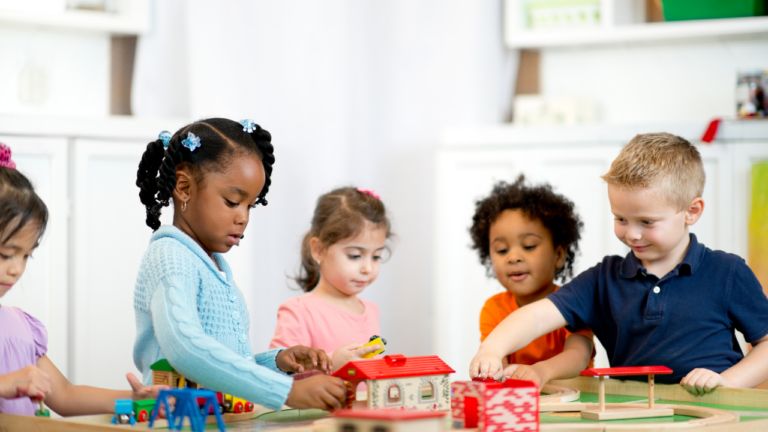
- Play groups
At this stage, the big idea is “What I do changes what happens next.”
Why this stage matters for preschoolers
This isn’t about telling children to “be kind” or “be polite.” It’s about helping them see cause and effect and take ownership of their part in it. It’s not about niceness, it’s about noticing why things happen.
Real-Life Examples: How Actions Affect Others
For preschoolers, responsibility connected to others often shows up in everyday routines:
- Leaving toys out can mean someone else can’t use the space.
- Not putting supplies away makes them hard to find later.
- Rushing through cleanup can make the routine take longer because something got missed.
- Forgetting your part means someone else has to do extra work.
These moments can feel small, but they’re strong learning moments. They give kids a clear, real reason to follow through.
Responsibility vs. respect (they can sound similar)
Responsibility and respect often show up together, but they’re not the same thing.
| Respect | Responsibility |
| How we treat people | What we’re in charge of |
| Focuses on behavior toward others | Focuses on follow-through and results |
| “How did that make someone feel?” | “What happened because of what we did?” |
Instead of pushing “be nicer,” the focus shifts to “Let’s notice what happened and why.”
How Adults Can Guide
Preschoolers don’t need long speeches to learn responsibility. They need help noticing patterns and connecting their actions to what comes next.
Helpful, realistic phrases sound like:
- “What happened when the block stayed out?”
- “What do we need to do so the room works again?”
- “Which part is yours to take care of?”
- “What usually happens next?”
- “Let’s fix this together.”
The goal isn’t blame. The goal is awareness.
Building awareness step by step
When kids start to understand impact, something shifts. Responsibility stops feeling like a rule adults enforce and starts feeling like a tool that helps life run more smoothly. Over time, this can reduce repeated conflicts, support smoother routines, build trust, and better equip kids for group settings.
When Kids Miss the Impact, That’s Normal
Kids will forget. They’ll rush. They’ll need reminders (sometimes a lot of them). That doesn’t mean responsibility isn’t growing. It means they’re still learning how their choices connect to the world around them, and that awareness takes time.
From routines to the bigger picture
With practice, children start to see themselves as part of something bigger, a family, a classroom, a community. Responsibility becomes less about checking off a task and more about contribution, doing your part because it helps everyone.
Try Character Quest: Winter Edition
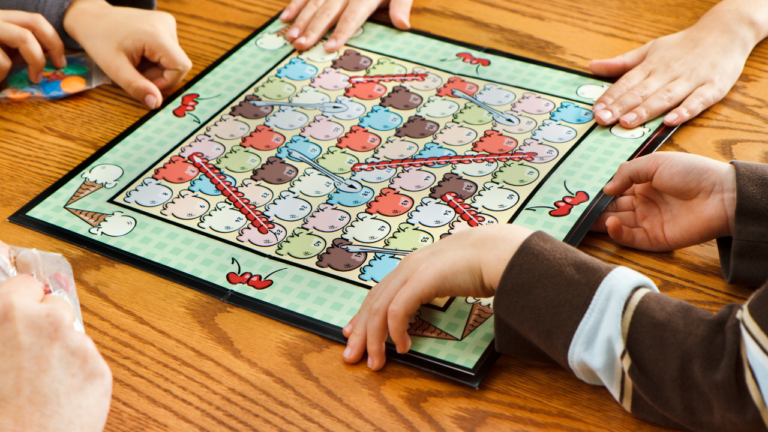
If you want a playful way to practice these skills and more, Character Quest: Winter Edition (printable game for preschool character skills) is designed for use at home or in the classroom. It highlights values like kindness, patience, cooperation, and responsibility through simple “quests.”
Responsibility isn’t about getting it right every time. It’s learning that actions have results, and each child has a part in how things work. When adults guide with calm language and shared problem-solving, kids build awareness without pressure. The routines get easier, and kids start to become aware of themselves in group spaces.